
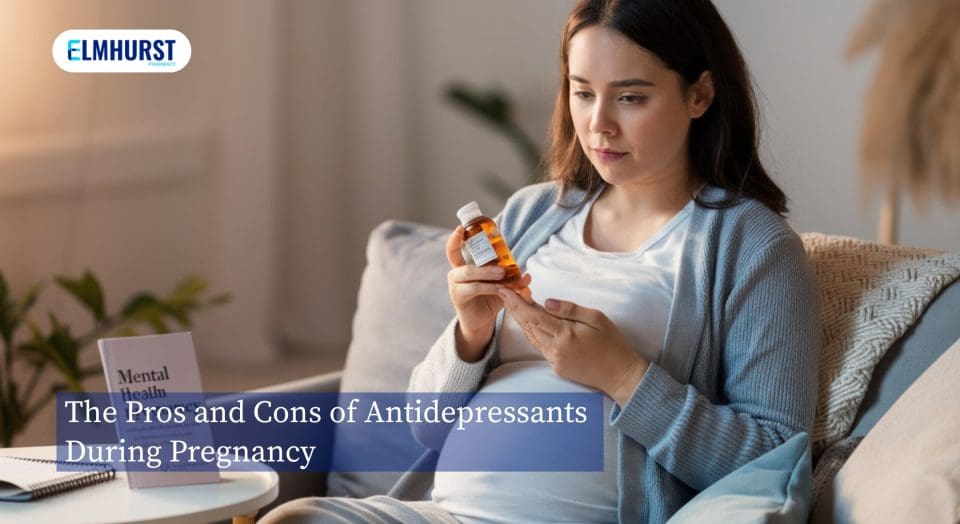
Mental health is just as crucial as physical well-being, especially during one of the most emotionally vulnerable periods in a woman’s life: pregnancy. For many pregnant women, battling emotional lows isn’t just occasional sadness—it may be a persistent struggle known as pregnancy depression or depression during pregnancy. In such cases, healthcare providers may consider prescribing antidepressants. But are these medications safe during pregnancy?
At Elmhurst Pharmacy, we understand the sensitivity to this issue. This article explores the benefits and risks of using antidepressants during pregnancy, offering guidance to help expectant mothers make informed choices.
Understanding Depression During Pregnancy
Pregnancy depression is more than just mood swings—it’s a clinical condition characterized by prolonged feelings of sadness, hopelessness, fatigue, or irritability. It can interfere with daily functioning and, if untreated, may lead to poor prenatal care, premature birth, or complications for both the mother and baby.
Studies show that nearly 7% to 13% of pregnant women experience depression during pregnancy. This highlights the importance of identifying signs early and seeking appropriate care.
Why Antidepressants Are Considered During Pregnancy
When pregnancy depression becomes severe, it may warrant the use of major depressive disorder medication. This includes a class of drugs known as antidepressants, which work by balancing neurotransmitters in the brain, thereby improving mood and emotional stability.
Doctors weigh several factors before recommending antidepressants during pregnancy, including the severity of the depression, the mother’s history of mental illness, and her response to therapy or lifestyle modifications.
Types of Antidepressants Commonly Prescribed
There are several types of antidepressants included in the antidepressants list, each with different safety profiles for use during pregnancy. Some of the commonly prescribed categories include:
- SSRIs (Selective Serotonin Reuptake Inhibitors): Such as fluoxetine (Prozac) and sertraline (Zoloft)
- SNRIs (Serotonin and Norepinephrine Reuptake Inhibitors): Like venlafaxine (Effexor)
- Tricyclic Antidepressants (TCAs): Such as nortriptyline
Referencing the depression medication names, these drugs appear frequently in the depression meds list provided by medical practitioners and pharmacists. The complete depression medication list also helps in selecting the safest options for expectant mothers.

The Pros of Taking Antidepressants During Pregnancy
While non-medication approaches like therapy and support groups are ideal, there are valid reasons why antidepressants may be necessary during pregnancy:
- Stabilizing Mood: For women with moderate to severe depression, antidepressants offer relief and improve the quality of life.
- Reducing Risk of Postpartum Complications: Managing depression now may prevent postpartum depression and postpartum anxiety after delivery.
- Preventing Harmful Behaviors: Untreated depression can lead to neglect, self-harm, or even suicidal thoughts, which pose risks to both the mother and unborn child.
- Better Prenatal Care: Women who feel emotionally stable are more likely to attend prenatal visits, eat well, and follow medical advice.
The Cons of Taking Antidepressants During Pregnancy
Despite the benefits, antidepressants are not without risks. Some of the concerns associated with their use during pregnancy include:
- Potential Birth Complications: Some antidepressants have been linked to low birth weight, respiratory distress, or premature delivery.
- Neonatal Adaptation Syndrome: Babies may experience withdrawal symptoms if the mother took antidepressants late into pregnancy.
- Uncertain Long-term Effects: While current research supports the safety of many antidepressants, long-term developmental outcomes remain under study.
- Medication Side Effects: For the mother, side effects can include nausea, insomnia, or increased anxiety.
It’s important to note that certain medications from the antidepressant drugs list pose fewer risks and are generally considered safer than others.
- Finding the Right Balance: Risks vs. Benefits
The decision to use antidepressants during pregnancy is complex. It’s not a one-size-fits-all answer.
- Women with a mild form of pregnancy depression may benefit from psychotherapy, support groups, or exercise as alternatives.
- In more severe cases, the risk of untreated depression may outweigh the risks of medication.
Doctors often switch patients to drugs lower on the depression meds list in terms of risk and may adjust dosage to minimize side effects. Open communication with your healthcare team, including your pharmacist, is key.
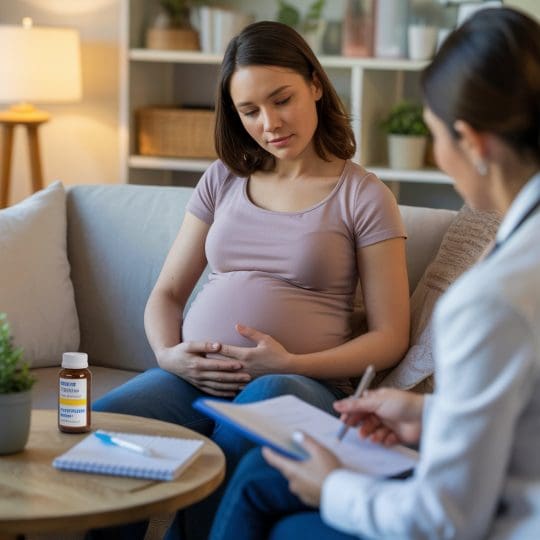
Antidepressants and Postpartum Mental Health
Stopping antidepressants immediately after delivery isn’t always advisable. Many women are at risk of postpartum depression or postpartum anxiety, which can interfere with bonding, breastfeeding, and baby care.
Staying on a carefully managed depression medication plan postpartum can help mothers stay balanced and confident. At Elmhurst Pharmacy, we regularly monitor and guide new mothers in adjusting their medications safely.
Safer Antidepressant Choices: What the Research Says
Current studies indicate that certain SSRIs, like sertraline and fluoxetine, are among the safer choices in the antidepressants list. These are often the first-line options during pregnancy, based on extensive clinical data.
Older antidepressants, such as TCAs, are used less frequently due to side effect profiles, although some may still be viable options. Your doctor and pharmacist will consult the depression medication list and discuss the best course of action for your unique case.
What Pregnant Women Should Know Before Starting Antidepressants
If you’re pregnant or planning to be, and you’re currently taking antidepressants, consider the following steps:
- Talk to your doctor before making any changes
- Review your medications with your pharmacist using the antidepressant drugs list
- Don’t self-discontinue your meds—it can worsen your condition
- Inform your OB-GYN early, especially before taking a pregnancy test
- Elmhurst Pharmacy’s Support for Expecting Mothers
At Elmhurst Pharmacy, our team is dedicated to supporting your health journey from preconception to postpartum.
- We offer detailed counseling on the depression medication names you’ve been prescribed
- We help expectant mothers choose the safest medications from the depression meds list
- Our pharmacists are trained to guide you through every stage of pregnancy depression care
- Final Thoughts: Making Informed Choices for Two Lives
Choosing whether to take antidepressants during pregnancy is a deeply personal and medical decision. With the right support and professional guidance, pregnant women can make choices that prioritize both their mental well-being and the health of their baby.
Elmhurst Pharmacy is here to walk that path with you—offering clarity, care, and commitment every step of the way.
Have Questions?
Contact Elmhurst Pharmacy today for personalized guidance on managing depression during pregnancy safely and effectively.